The ear is divided into the outer ear, middle ear, and inner ear. The pinna collects sound waves and directs them into the ear canal. At the end of the canal lies the eardrum. Behind it, in the middle ear, are the three auditory ossicles: hammer, anvil, and stirrup. The Eustachian tube is also connected to the middle ear and is important for pressure equalization. The inner ear includes the cochlea and the semicircular canals. The semicircular canals are mainly responsible for balance, while the cochlea is the actual hearing organ.
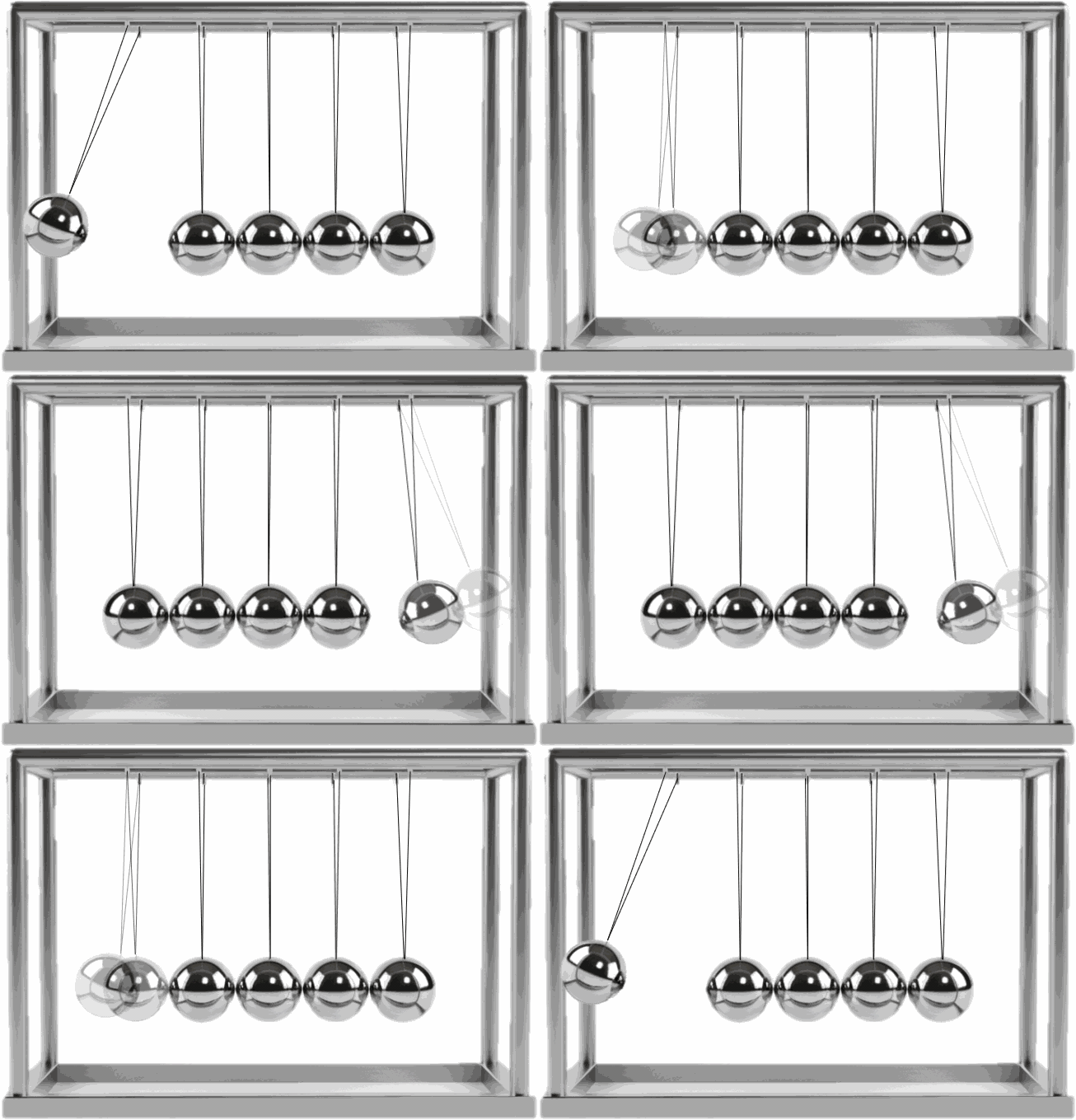
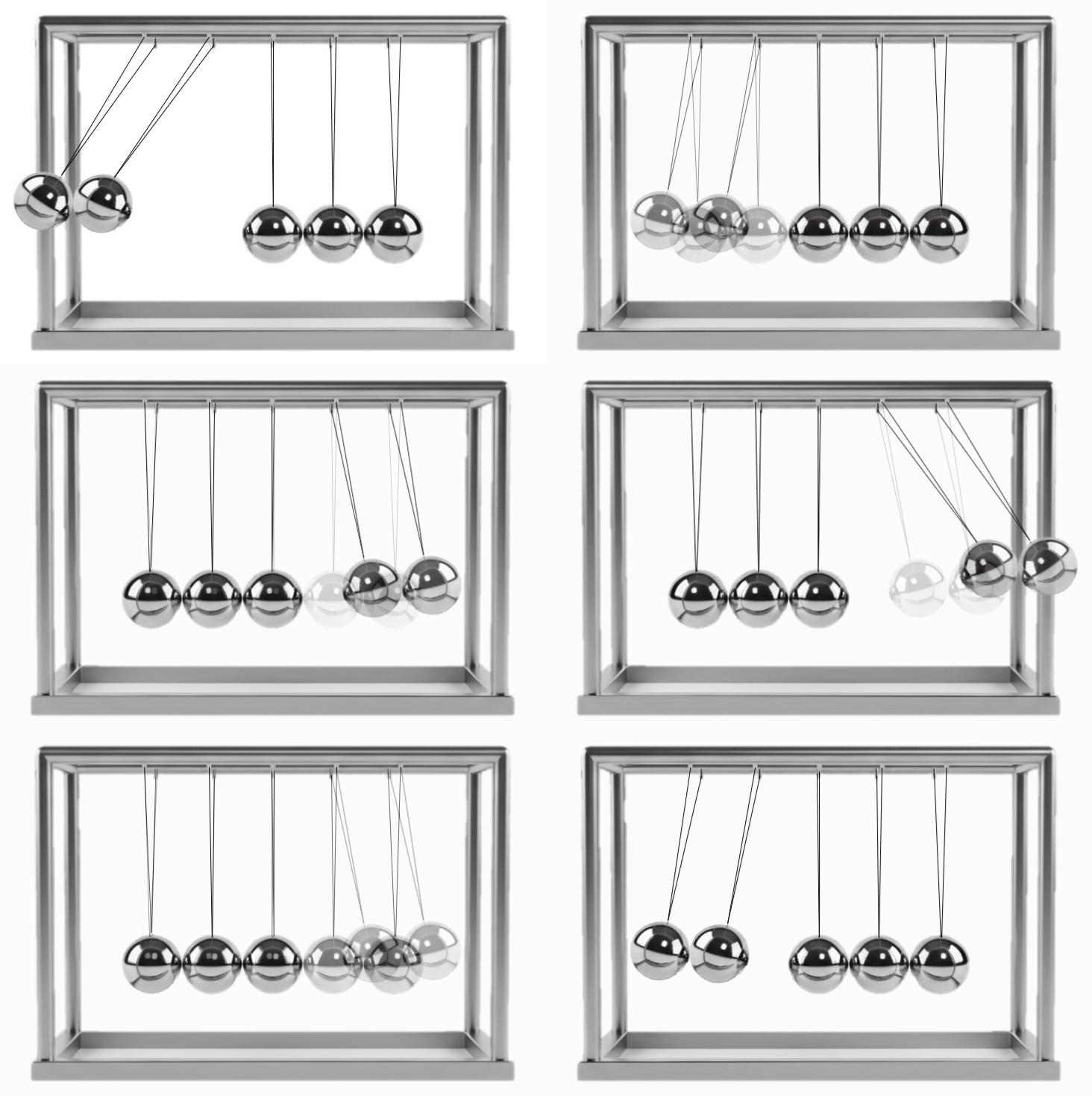
During hearing, sound waves are first collected by the pinna and passed through the ear canal. When they reach the eardrum, it begins to vibrate. This movement is transferred to the hammer, anvil, and stirrup. The stirrup presses against the oval window. In this way, the vibration travels from the outer ear through the middle ear into the inner ear.
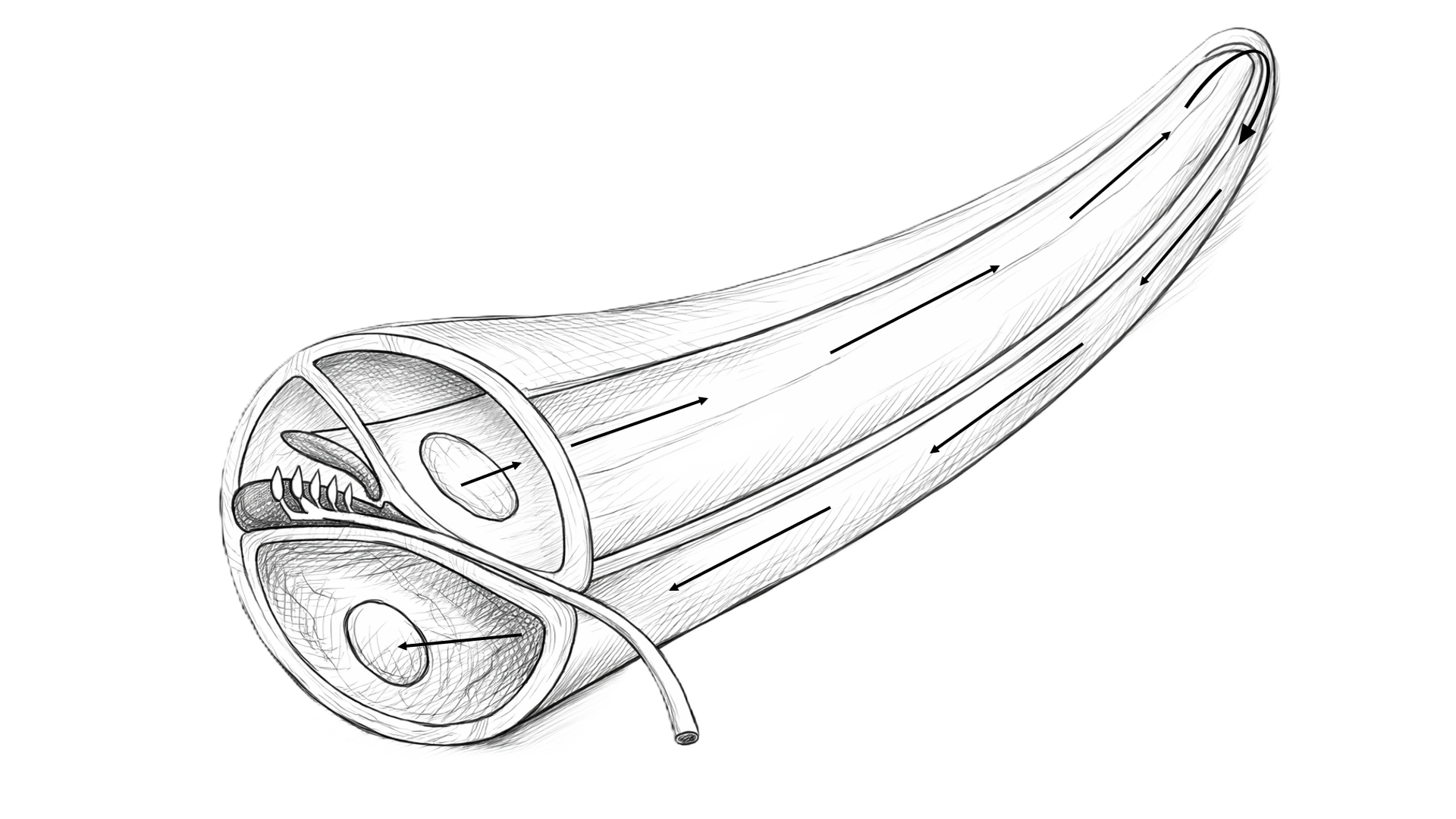
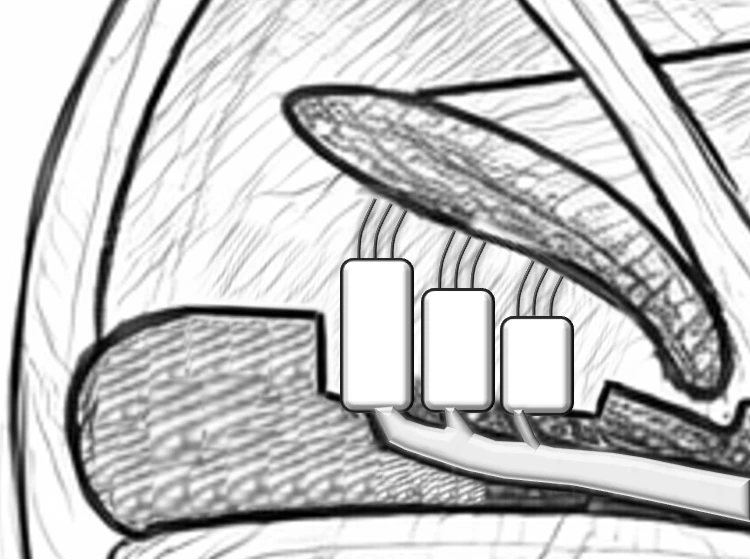
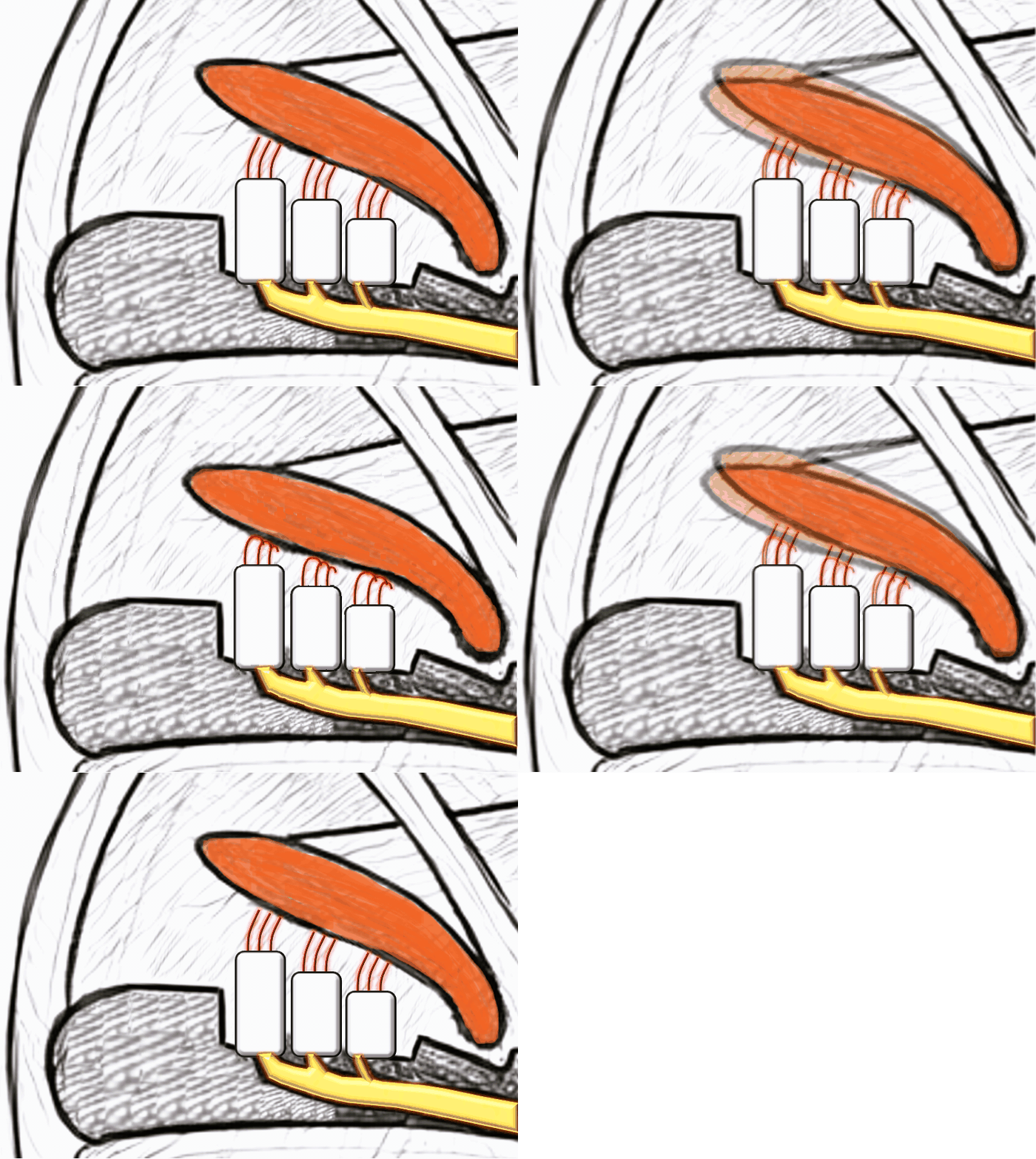
Inside the cochlea, movement at the oval window sets the fluid inside into motion. This also causes the tectorial membrane to vibrate. As it moves, the hairs of the sensory cells bend. Electrical signals are created and transmitted to the brain through the auditory nerve. Only there are the signals processed so that we perceive tones, sounds, and speech.