My simulations
Click a simulation to open its detail page first and then launch the actual simulation from there.
My profile
Your account information
Teacher-created, browser-based simulations that make complex biological processes visible and interactive on any device, without installation.
Designed for digital classrooms, so tablets and other student devices create real instructional value instead of just replacing paper.
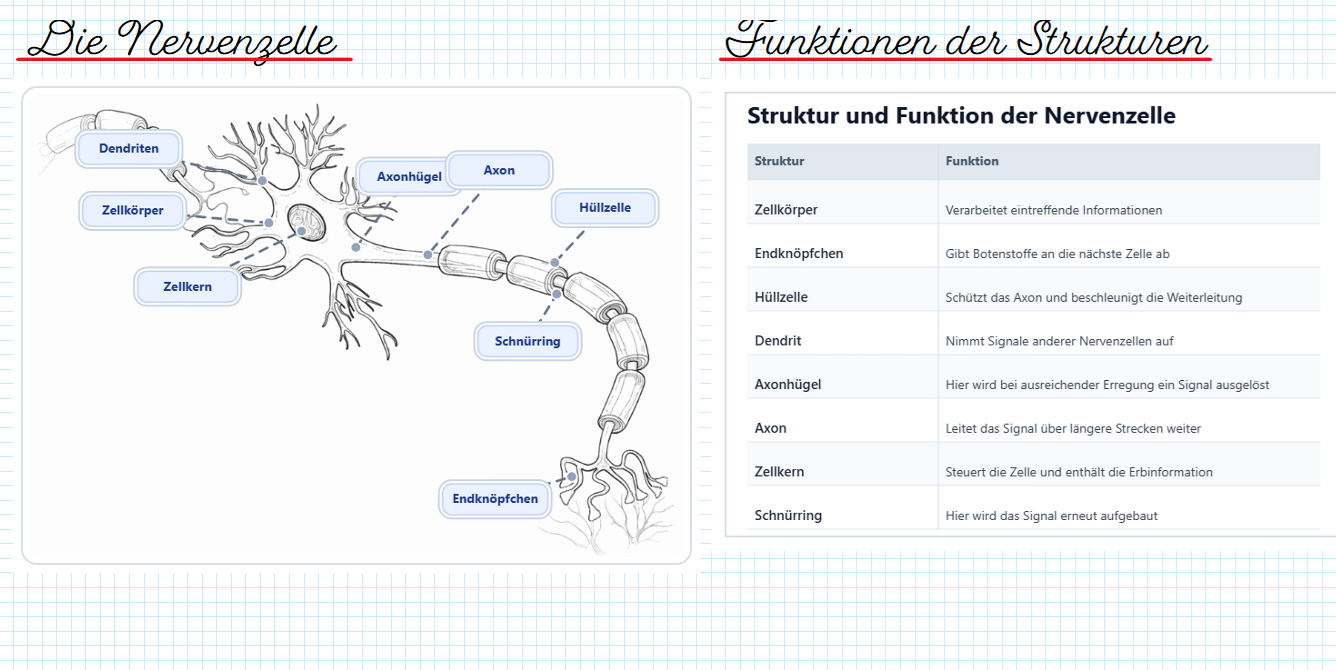
Results and views can be saved directly for further classroom work and transferred easily into digital note-taking and worksheet environments.
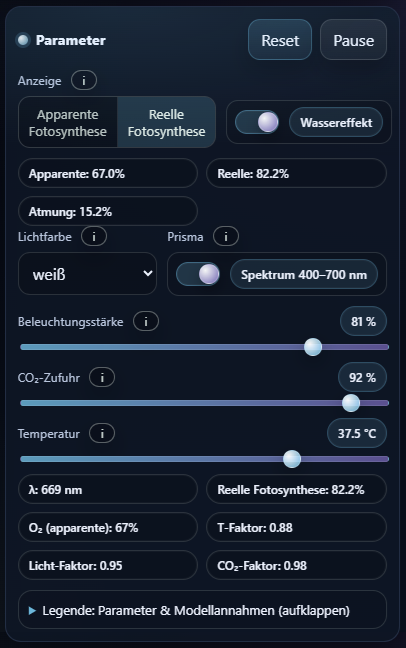
Students change parameters in real time and immediately observe the effects, enabling active learning through guided experimentation.
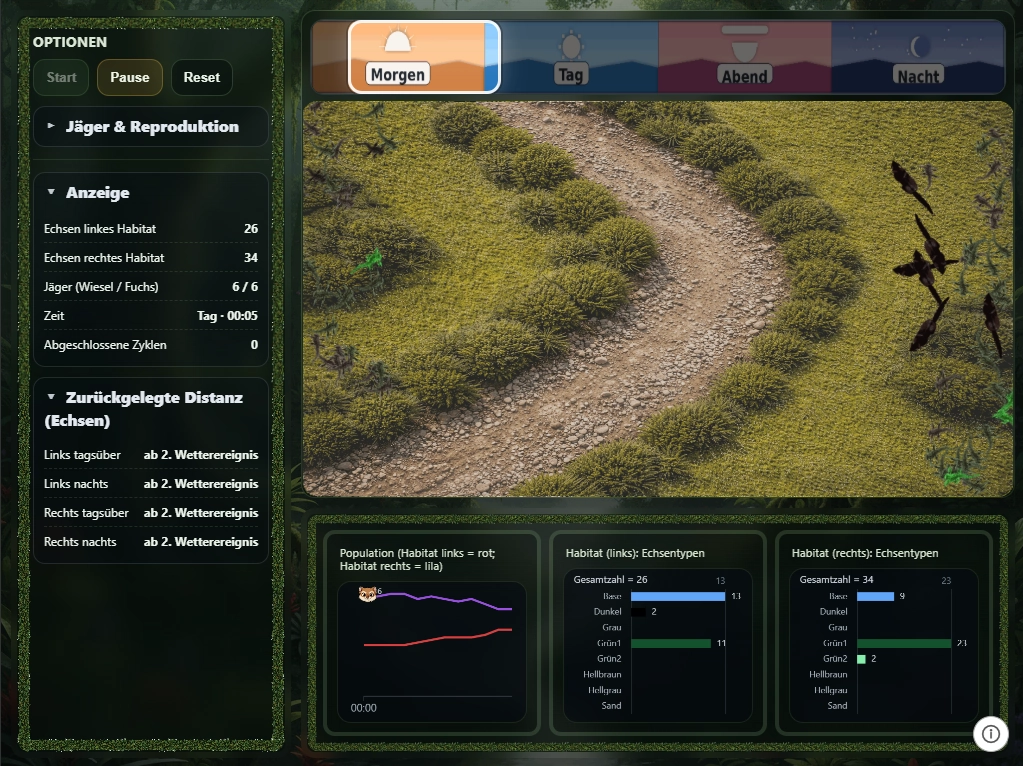
Large controls, clear interfaces, and touch-friendly interactions keep the simulations reliable and comfortable to use on tablets.
Complex processes are not only described, but made visible through clear, didactically reduced animations that are easier to understand.
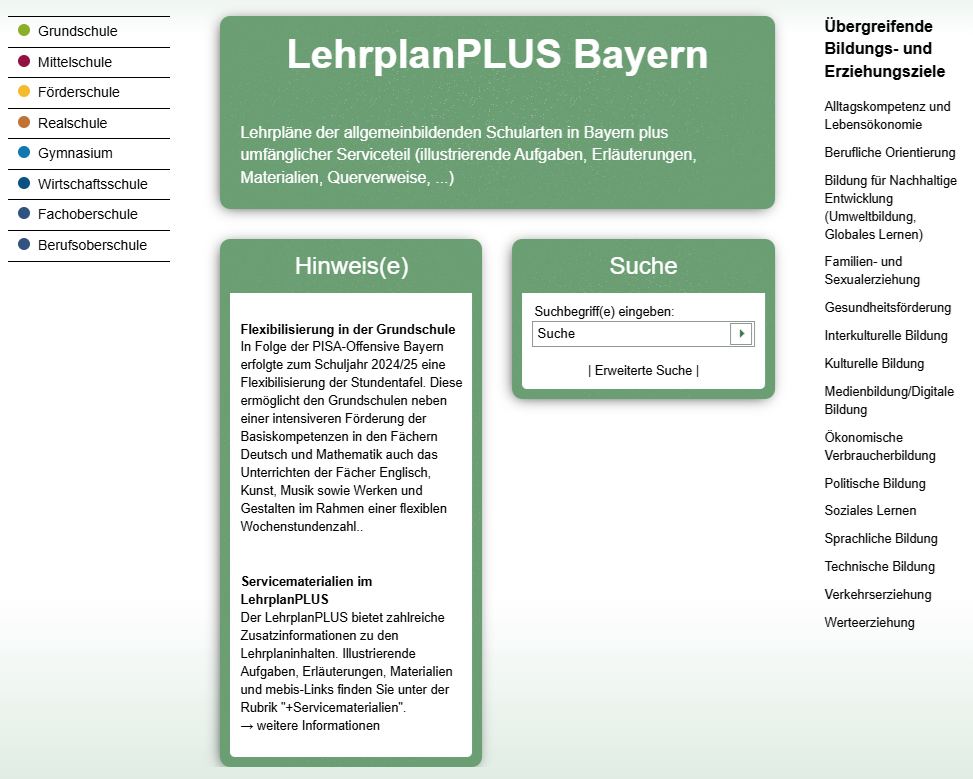
All content is aligned with the LehrplanPLUS biology curriculum. The technical terms used in the curriculum are applied consistently, avoiding confusion caused by differing terminology.
No download, no plugin: simply click the link or scan the QR code and open the simulation directly in the browser.
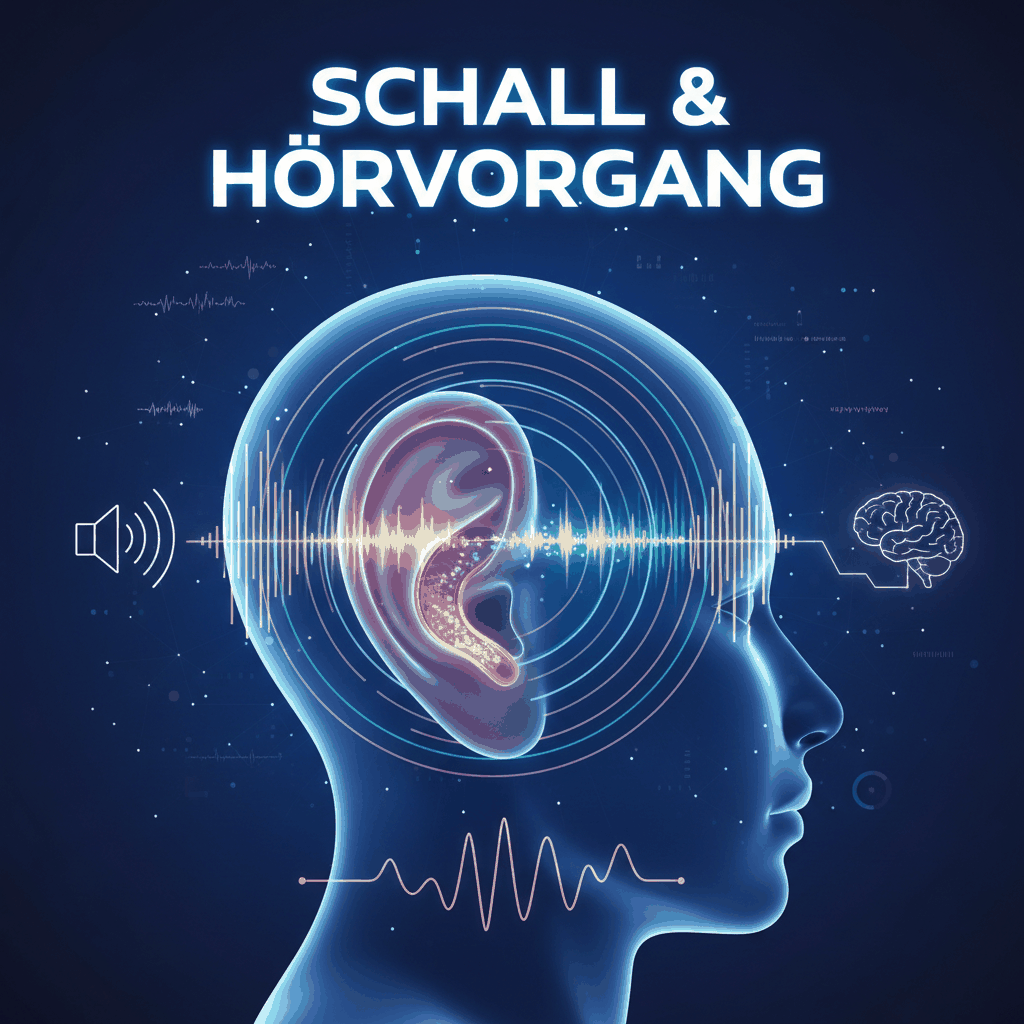
Explore sound waves, the hearing process, and sound localization in a comprehensive simulation with tasks, extra views, and export options.
Compare mitosis and meiosis in a controllable cell-division simulation with phase selection, crossing-over, and genetic special cases.
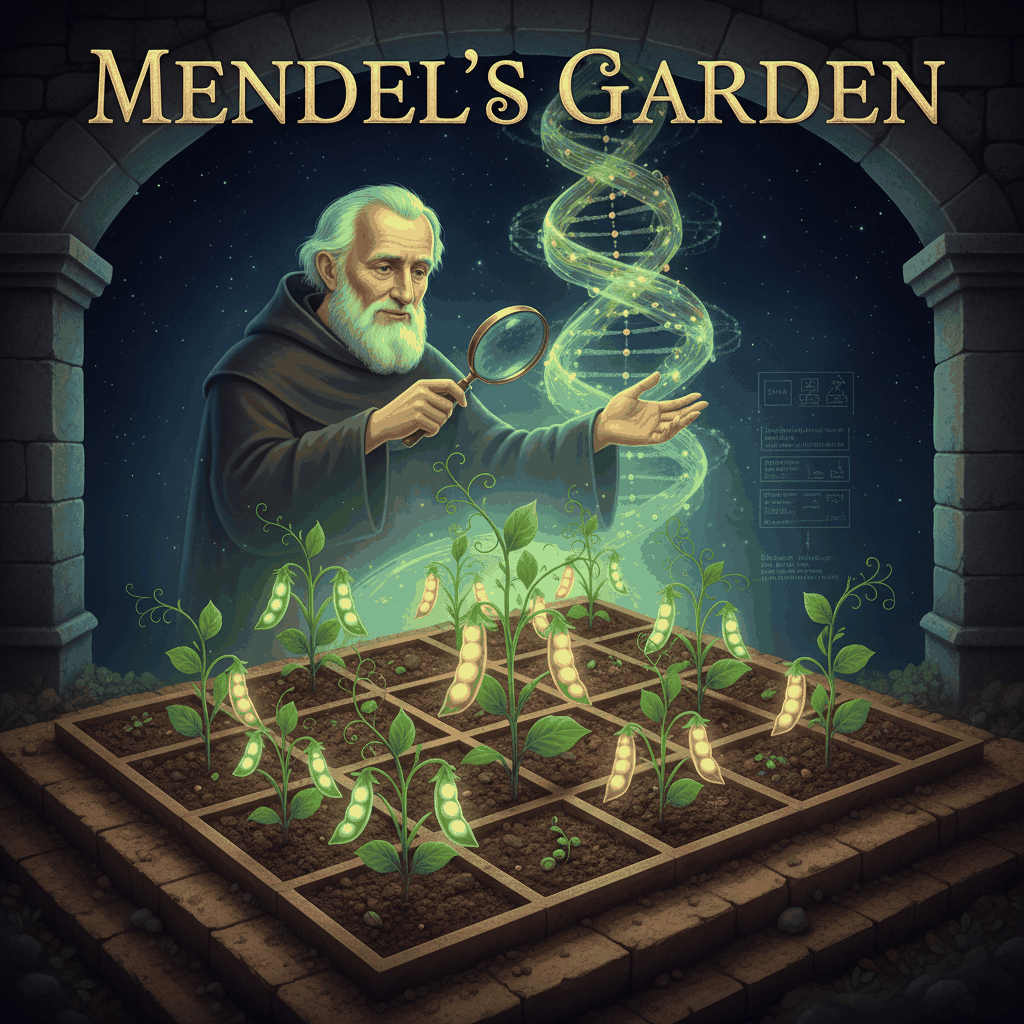
Discover Mendelian laws in the garden lab and compare Punnett square, simulation, and analysis directly with one another.
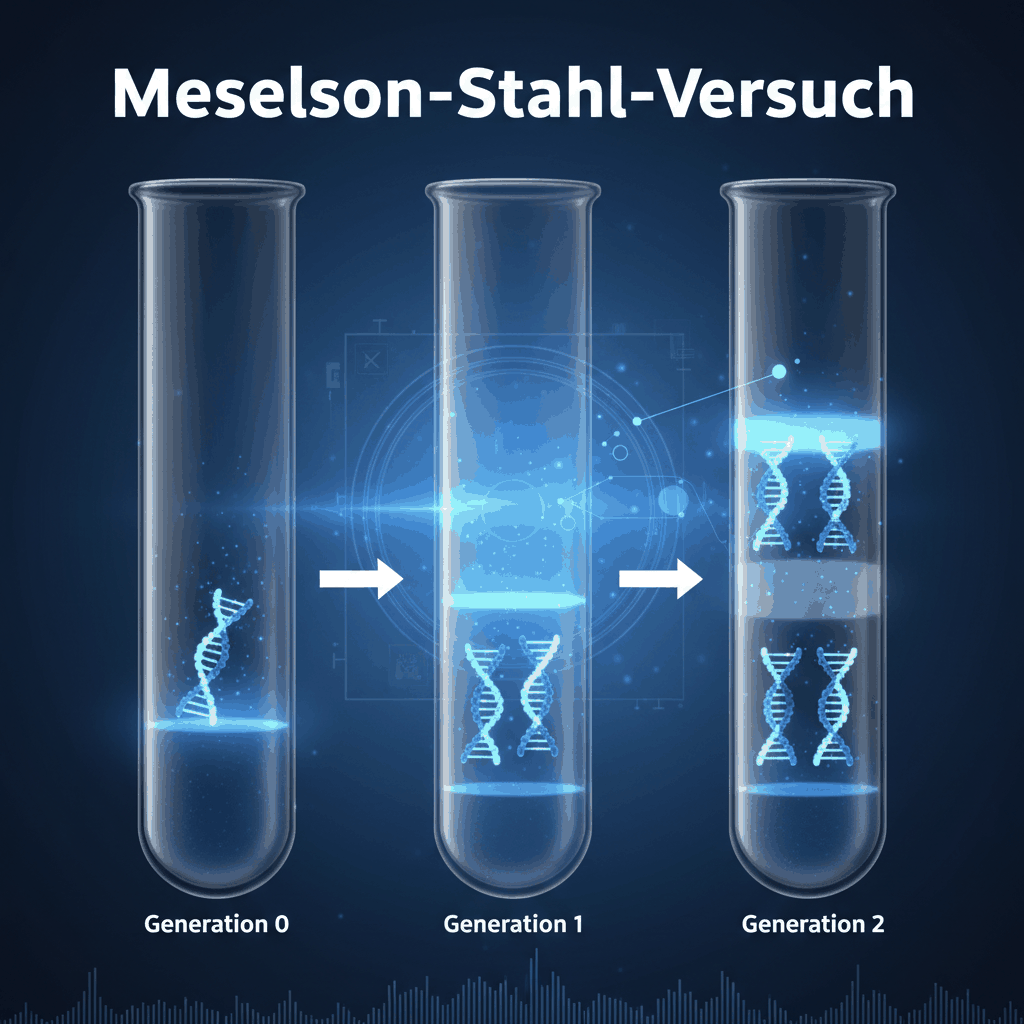
Carry out the Meselson-Stahl experiment step by step and interpret the band patterns that reveal DNA replication.
Observe how predators, weather events, and habitat separation change the composition of a lizard population.
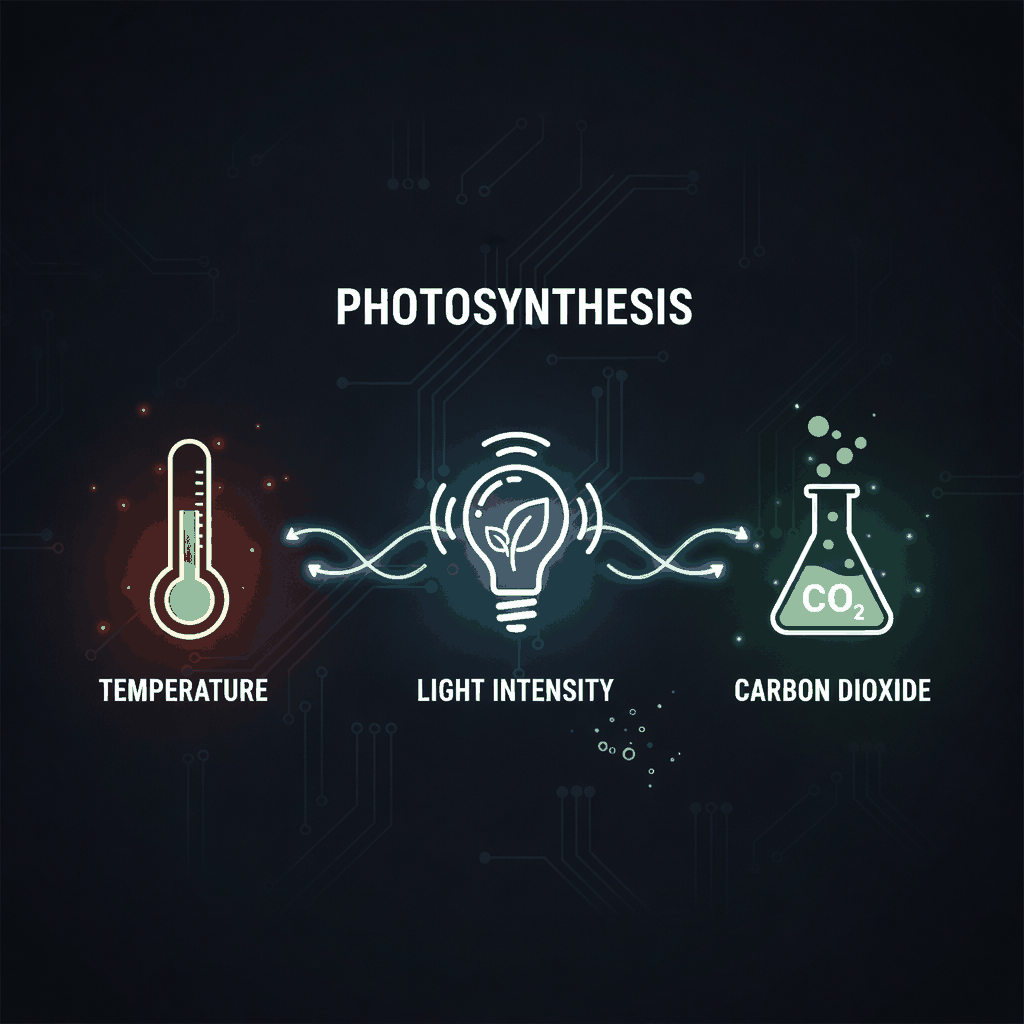
Investigate how light, CO2, and temperature affect photosynthesis in an Engelmann-style setup, and evaluate the results using charts.
Remove beetles under changing conditions and observe how a population changes over several generations.
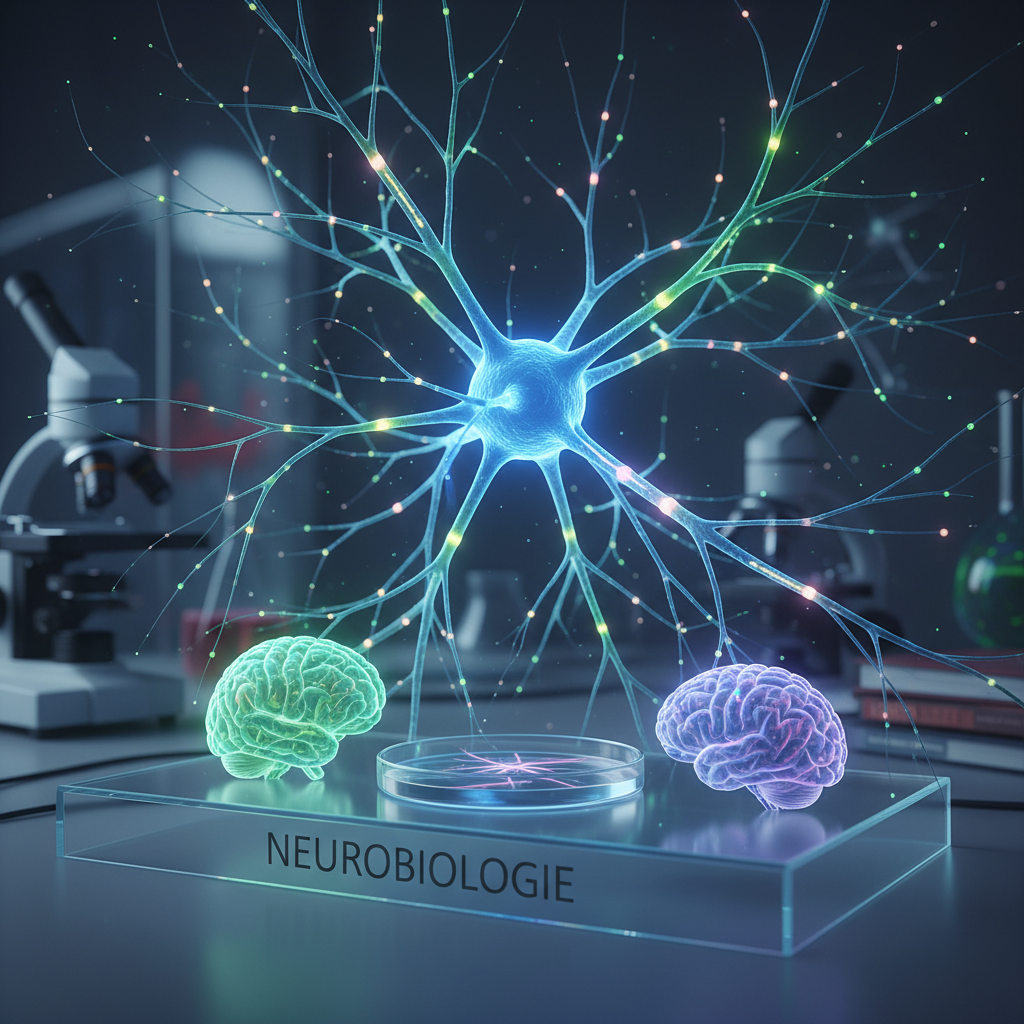
Choose grade 8 or 13 and work with an extensive simulation on neural information processing, from neuron structure to the synapse.
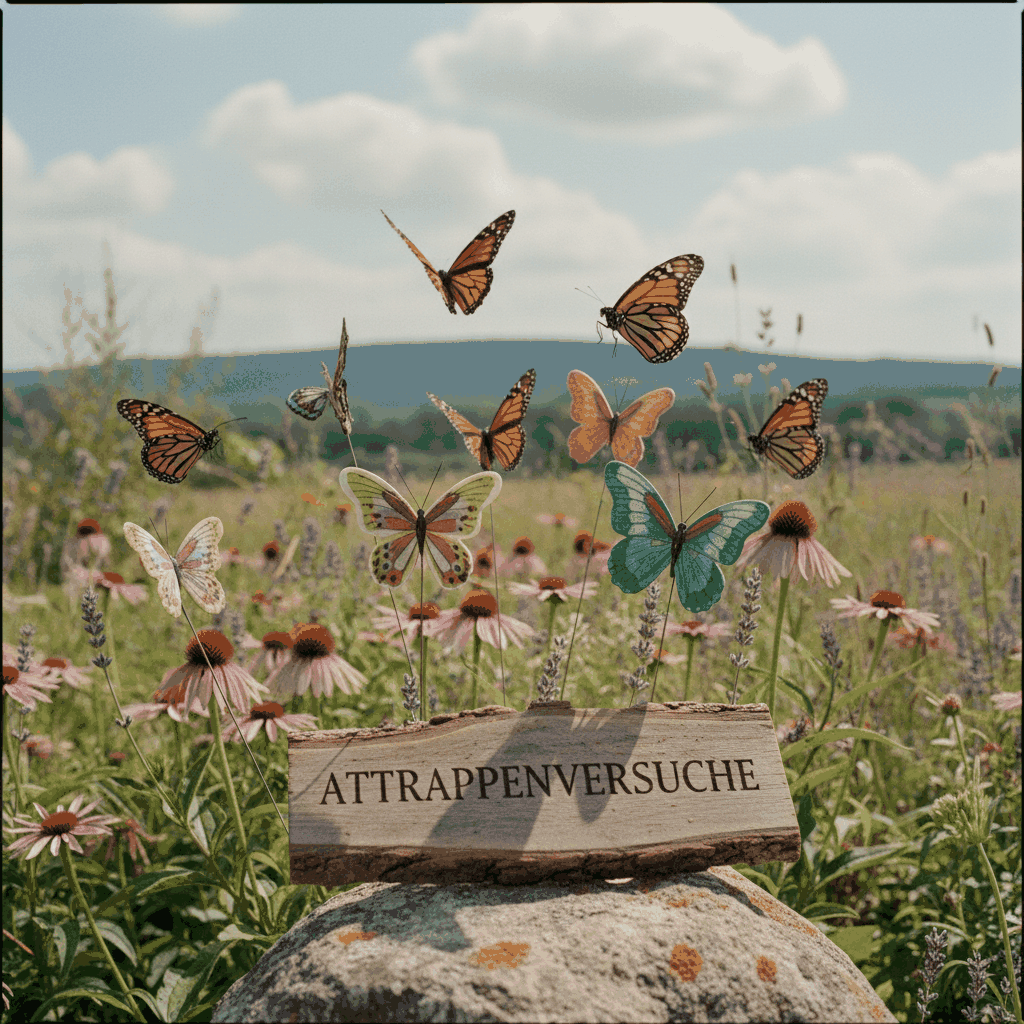
Design four dummies, test their effect in the experiment, and evaluate the results directly in the chart.
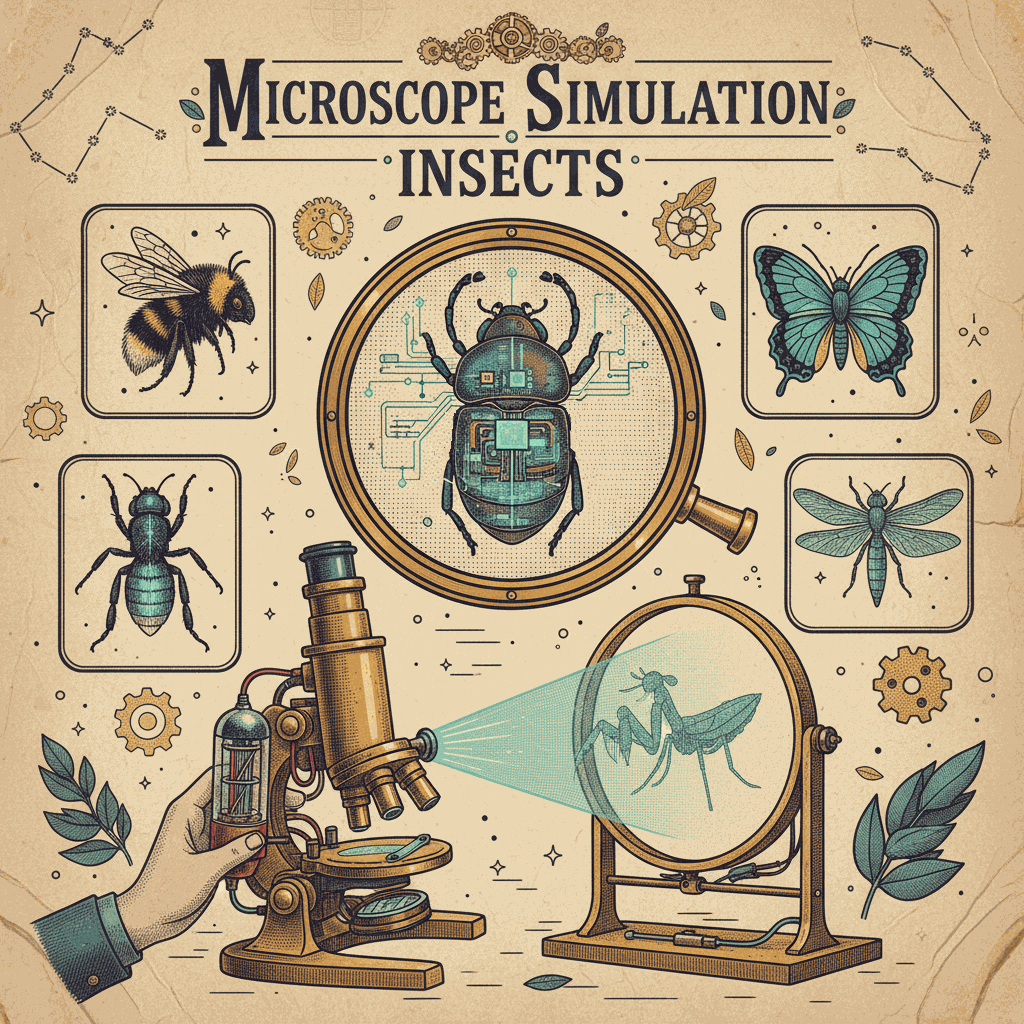
Investigate insect legs with the digital microscope and compare different leg types in relation to habitat and way of life.
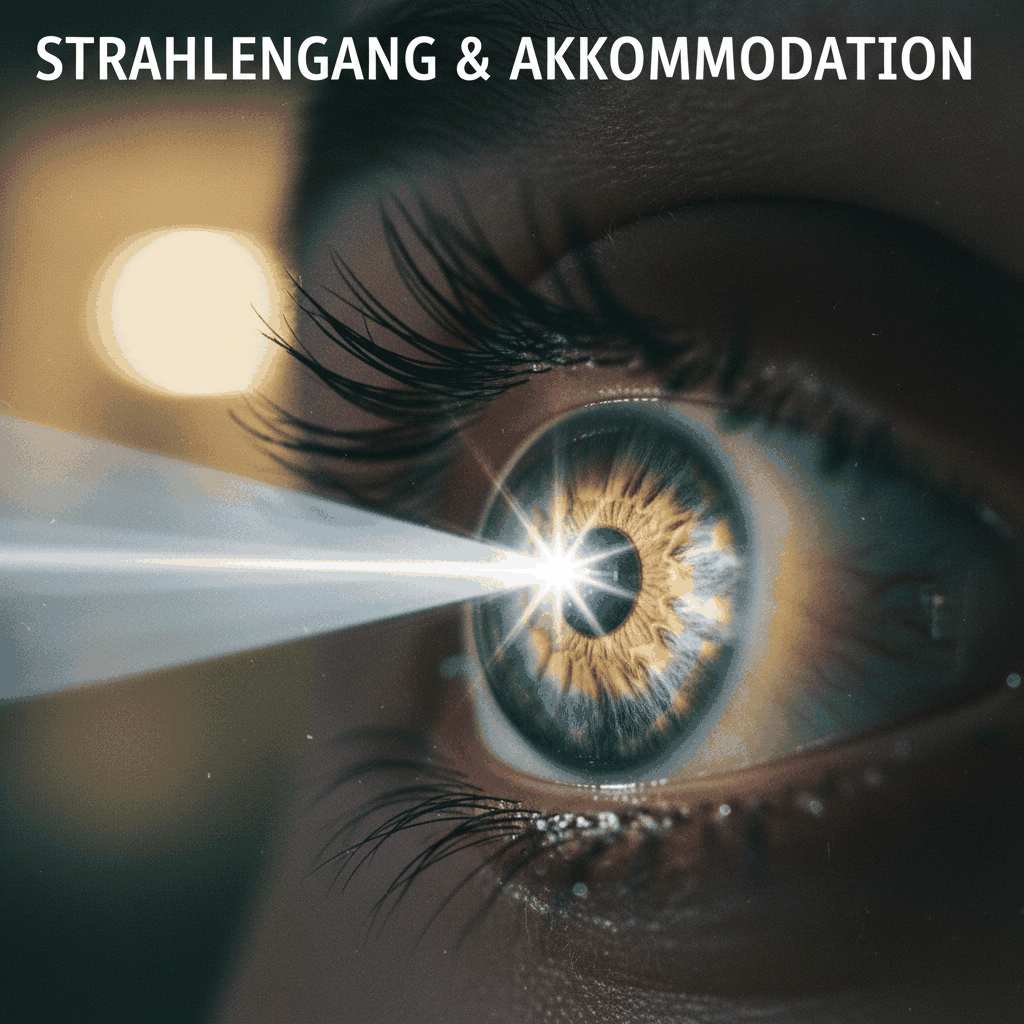
Explore the structure of the eye, light paths, accommodation, refractive errors, and the retina.
Click a simulation to open its detail page first and then launch the actual simulation from there.
Your account information
User management and simulation access